
WITHIN A
BEE'S FLIGHT
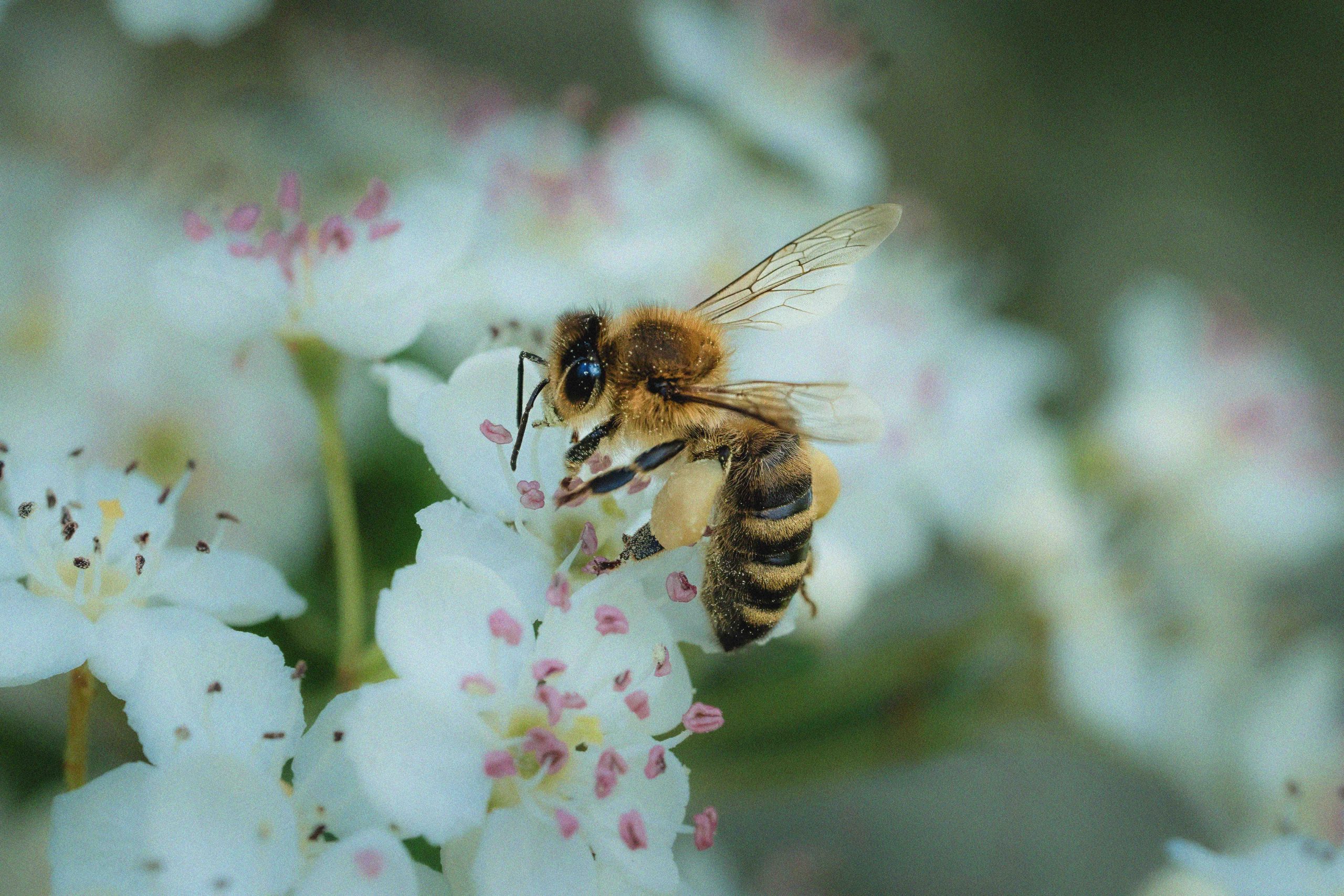
From the hives, a biomonitoring project begins, moving through fields, cities, and shared labs. Turned into unwitting tools for reading the environment, bees deliver an invisible map, made of molecules, latent conflicts, and choices to face.
SYNOPSIS
A landscape seen through pollen: pesticides, fungicides, outlawed molecules.
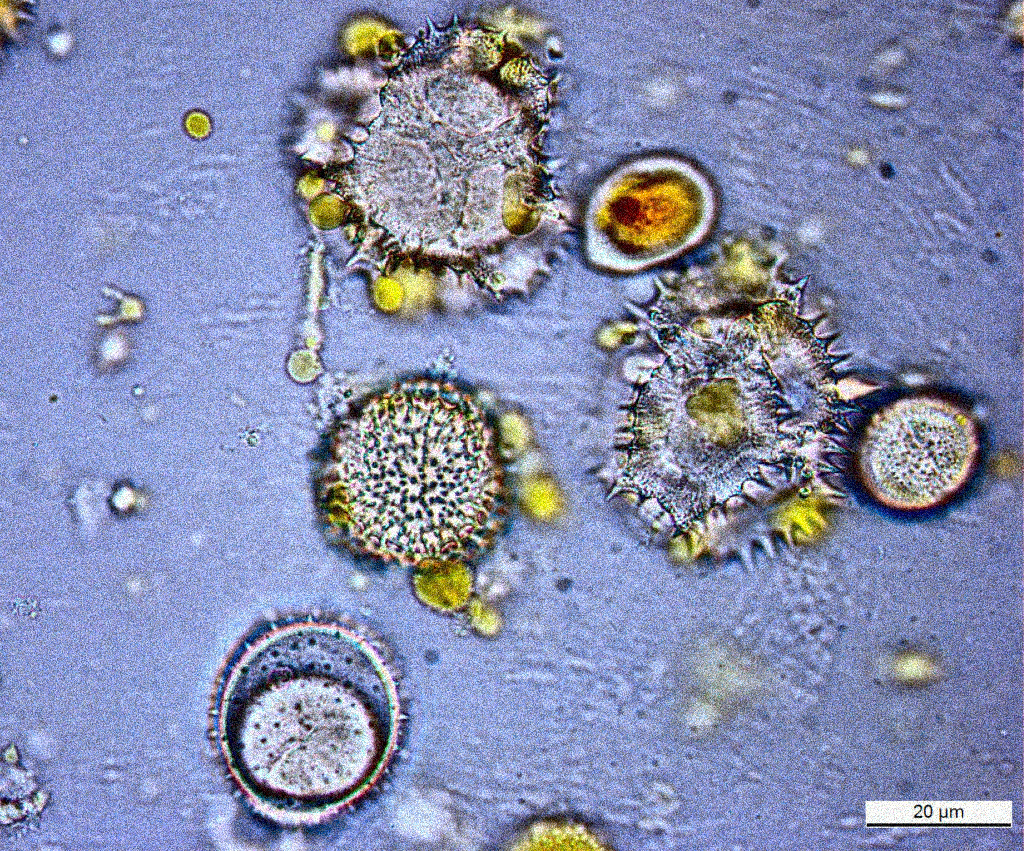
The film follows a group of researchers and beekeepers in Trentino-Alto Adige who, by analysing the pollen collected by the bees, identify the chemical substances moving through the landscape. The bees become biological probes. They fly, they gather data, and they pick up contamination that seems to be hidden.
The documentary takes an original perspective. It looks at today's landscape through the bees' constant, systematic work. It is a collective story that starts from a local experience and opens onto a wider European reflection. Science is intertwined with the landscape, environmental education with public return and outreach, linking rural and urban areas, local practices and European scientific networks.
How far is Europe when it comes to environmental sustainability?
AIM
A scientific investigation that becomes public.
The documentary is built as an ensemble. Many faces and voices run through the film. They share one goal. They want to make the environmental quality of an area readable through data gathered from pollen. They want a scientific investigation to become something accessible, concrete, and shared.
The challenge is both scientific and social. On the one hand, the method has to deal with the environmental and chemical complexity of the landscape. On the other, when the results touch on sensitive issues, they can create tension, raise questions, and meet resistance.
PERSONAGGI
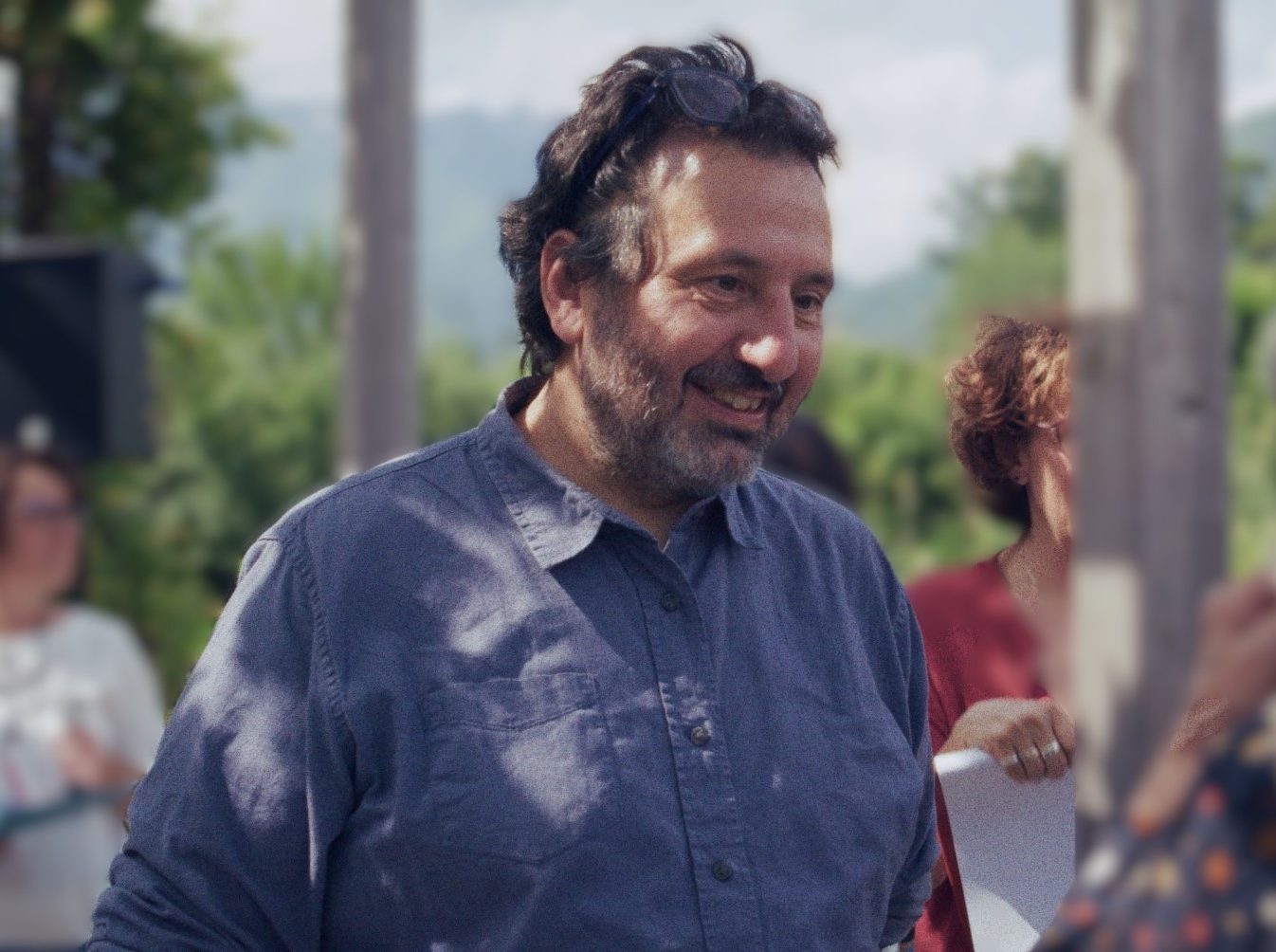
Sergio Angeli
An entomologist and lecturer at the Free University of Bozen-Bolzano, he is the scientific lead of the project. For years he has studied bee behaviour not only as a species, but as a way of reading the territory.
For him, pollen is a living matrix, an archive that records every contact between insect and environment. Sergio is a key figure in the film. He is rigorous and works with precision and method, but he also knows when a discovery calls for a political act. In the way he works, one clear image stands out. Bees fly across the territory and, without knowing it, collect chemical traces that tell us what we breathe, what we eat, and the environment we live in. His goal is to make this reading accessible and useful for the people who live in these places, even if it means disturbing long-standing balances.
Maria Vittoria Zucchelli
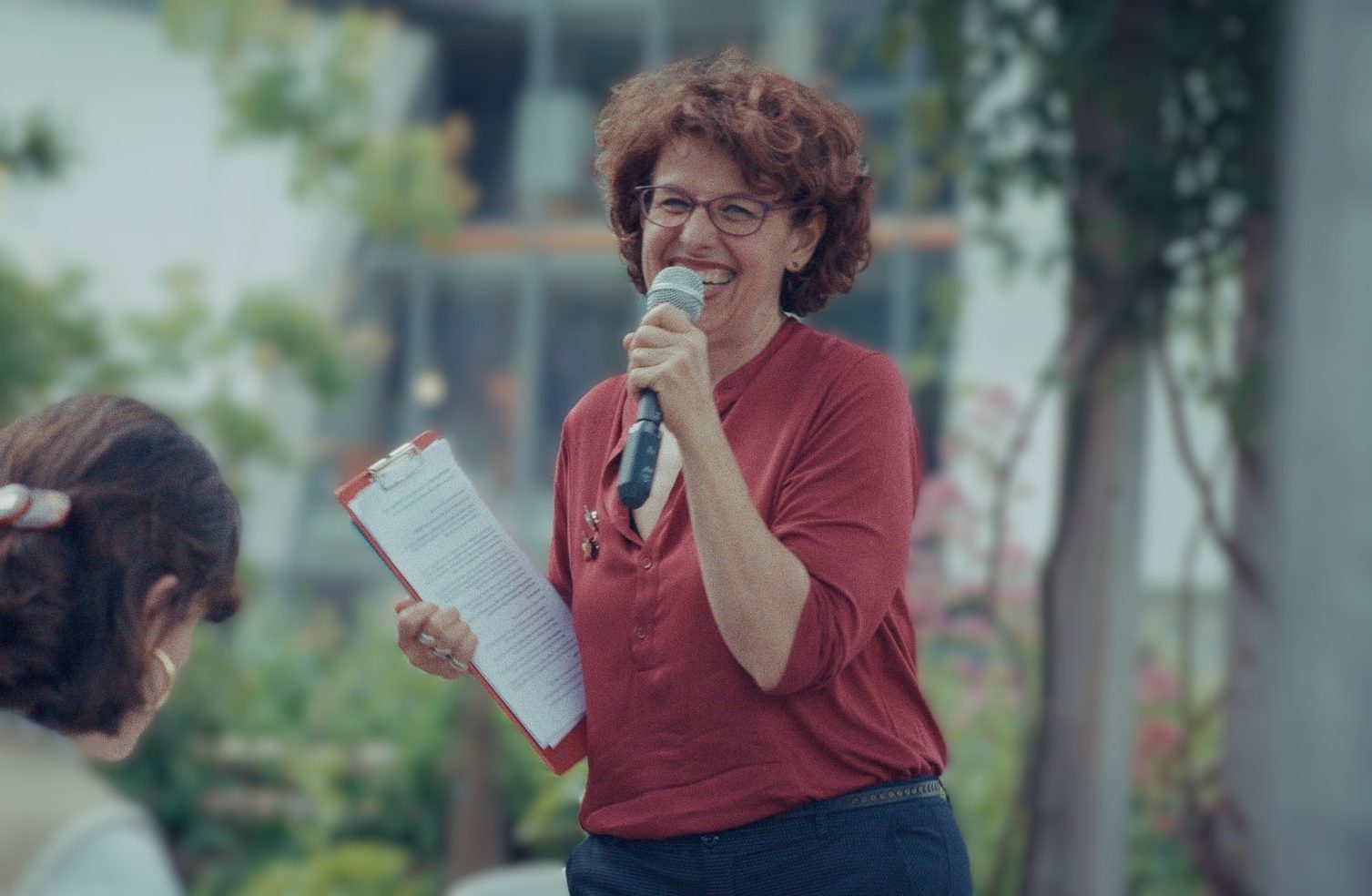
A biologist with a background in ecology, she works at MUSE, the Science Museum of Trento, where she focuses on environmental education and cultural project development. For years she has been designing educational programmes that connect science, sustainability, and everyday life, with a strong focus on the European dimension.
She collaborates on monitoring projects that use bees as bioindicators, involving citizens and institutions. In the film, she oversees the educational activities and the public outreach and feedback actions. She is practical and open to dialogue, and she knows how to make complex topics accessible without oversimplifying, building connections between worlds that speak different languages.
Stefano Peterlana
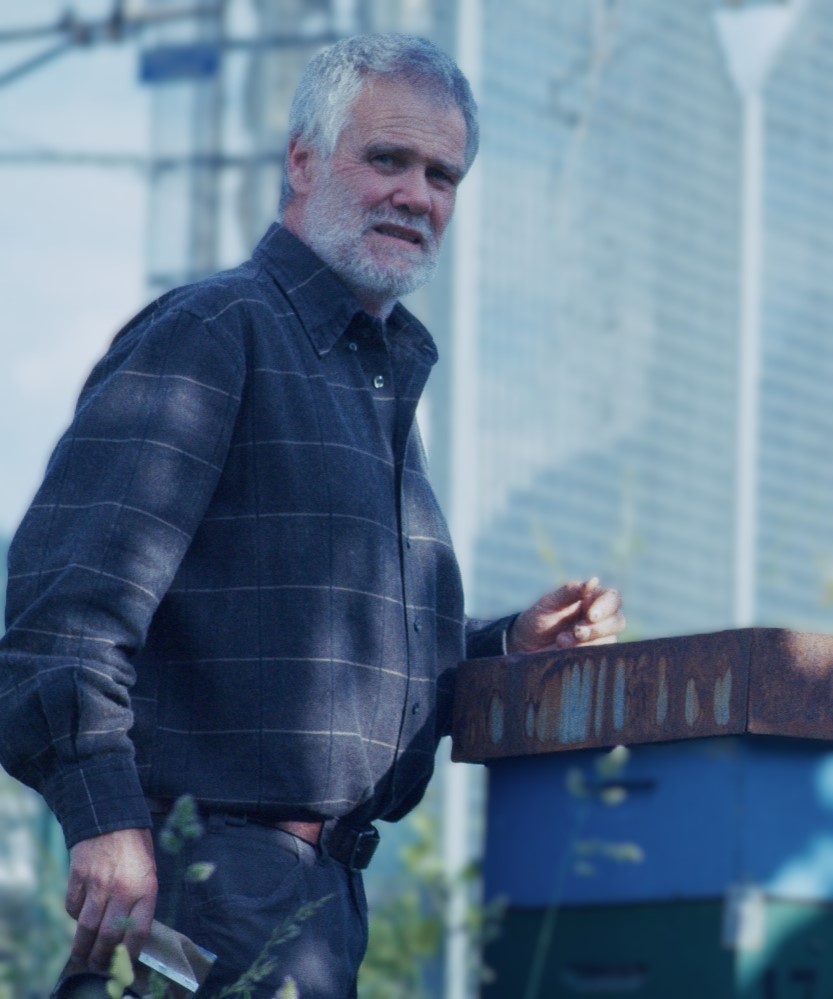
A professional beekeeper, since 1997 he has run a beekeeping business based on migratory beekeeping and certified organic production, managing between 400 and 500 hives across Italy. In Within a bee's flight, Peterlana takes part directly by making several of his hives available for the research. His collaboration is essential for collecting environmental data through the pollen gathered by the bees, helping map contamination across the landscape.
Peterlana represents a view of beekeeping as a practice deeply tied to ecosystems. In the film, his presence brings a grounded, practical perspective on the relationship between people, bees, and place. His experience comes through without the need for explanation. You can see it in his gestures, his care, and his everyday choices.
SHOOTING PERIODS & KEY SITUATIONS
Three phases, three seasons,
the overall picture that takes shape over time.
Set-up, sampling, waiting, public presentation: the research enters the landscape and comes back as shared knowledge.
-
Phase 1Set-up and sampling (spring)Apple blossom
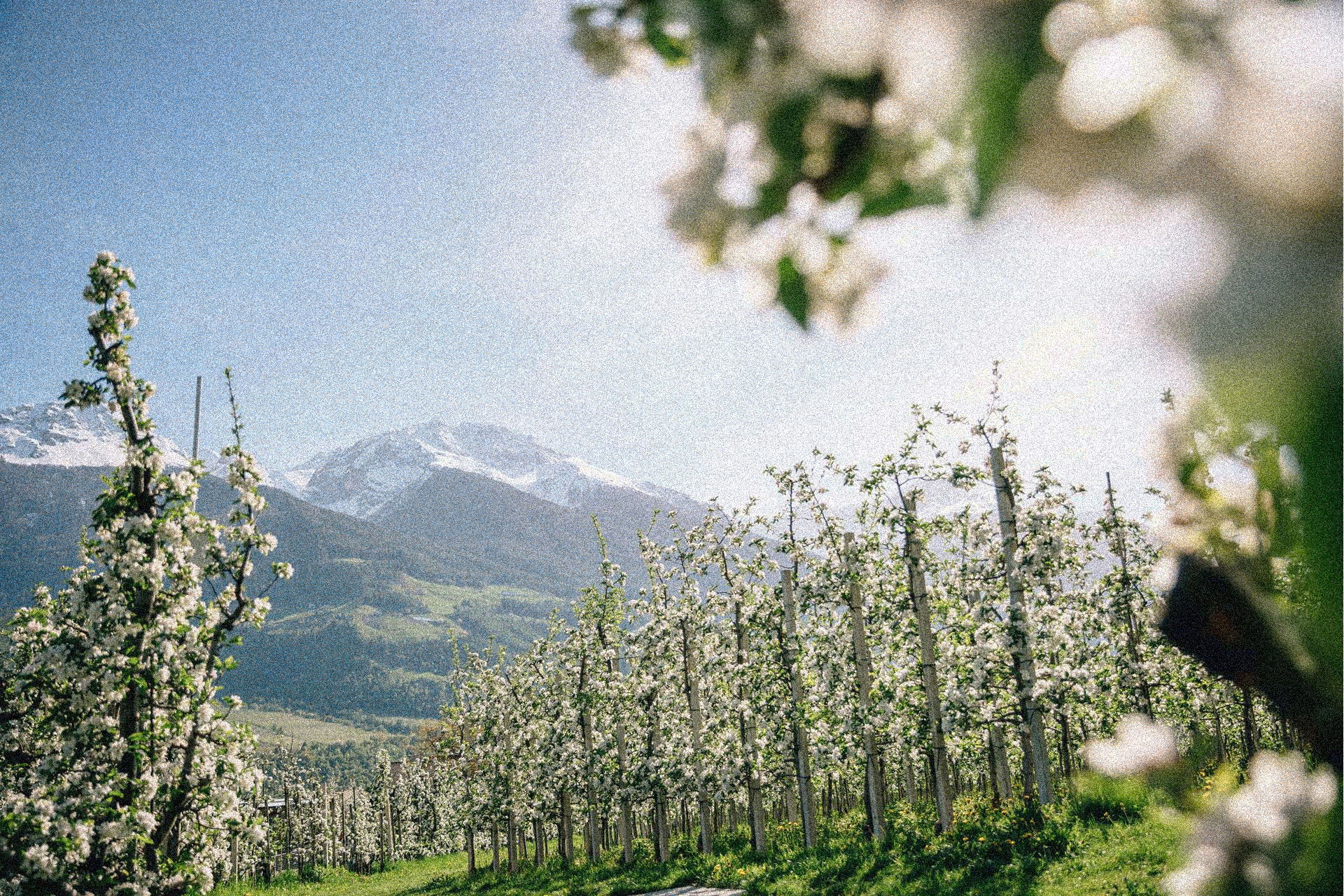
Pollen traps in 22 apiaries across valley-floor farmland, mountain areas, and Trento. Field visits, operational choices, direct contact with the bees. After about ten days, the first sampling takes place, followed by collection and storage of the samples.
-
Phase 2Second sampling and building the overall picture (summer)July
The landscape has changed, and the ongoing work becomes visible. Samples are collected and frozen. Communication intensifies between beekeepers, researchers, and institutional contacts. This is a phase of accumulation and connecting the data.
-
Phase 3Cataloguing,
waiting, public sharing
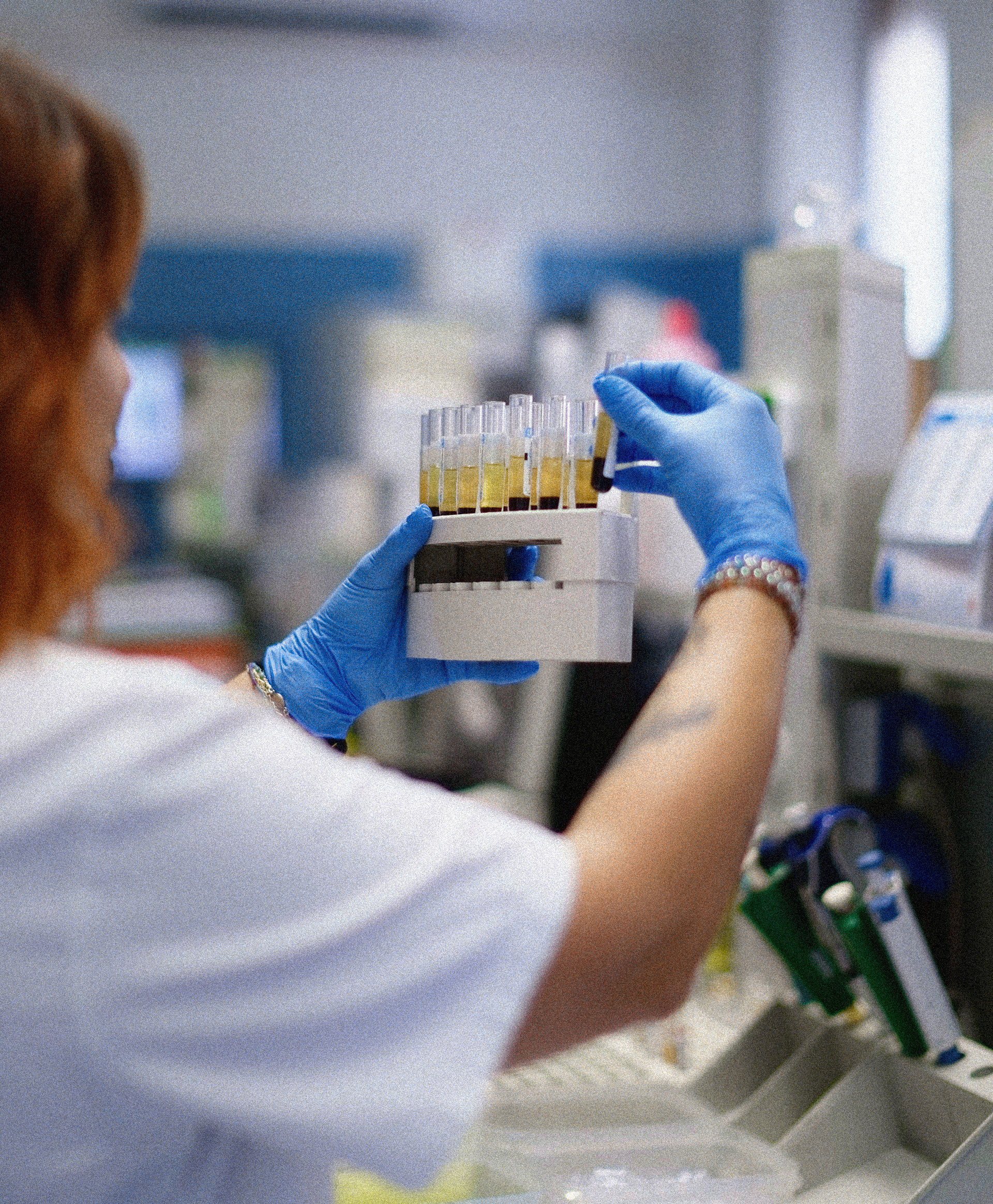
(autumn–winter)A months-long analysis phase.Cataloguing at the Free University of Bozen-Bolzano and shipment to certified labs for chemical and palynological analyses. The film also follows the preparation of the public sharing. Town halls, public spaces, open meetings.
EUROPEAN PERSPECTIVE
To see whether pollen biomonitoring can work and resonate beyond national borders, Angeli meets other European experts based in Germany, starting with her biologist colleague Melanie Von Orlow.
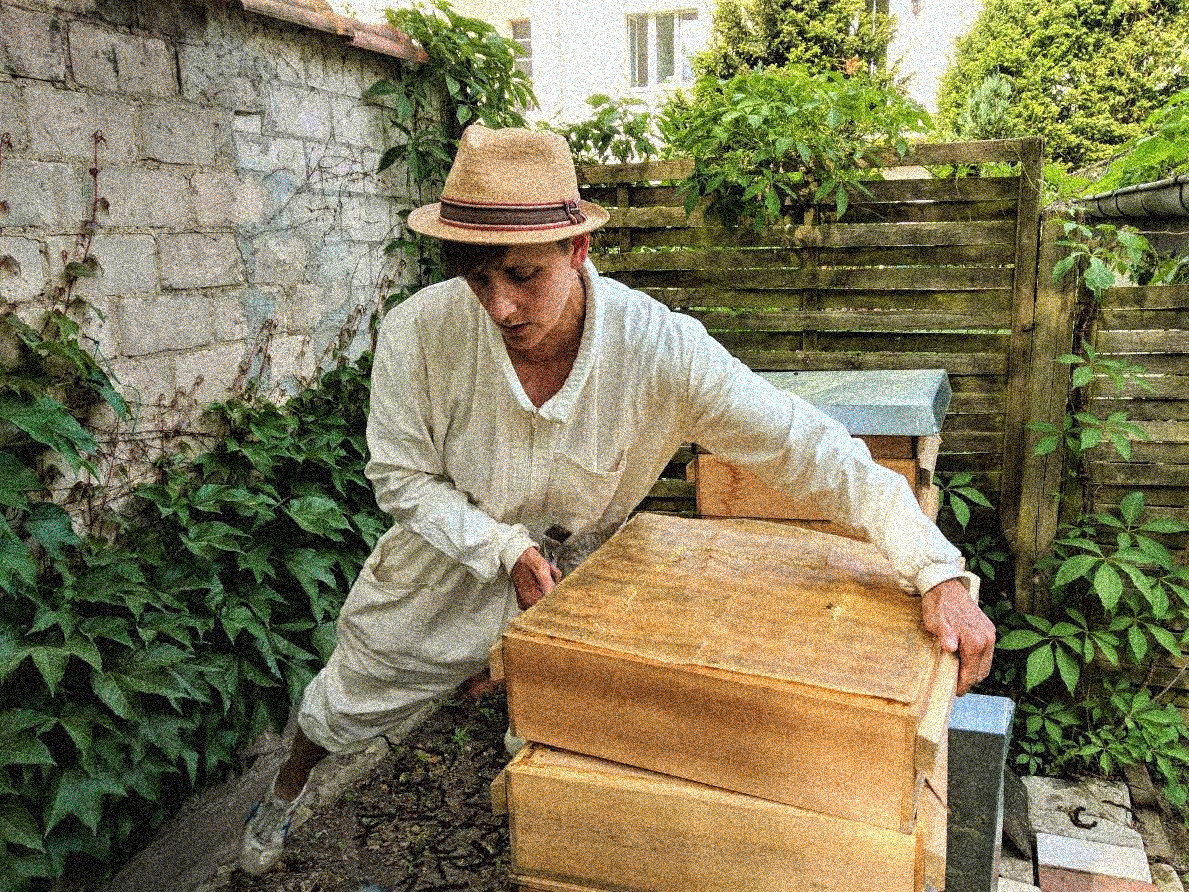
Melanie Von Orlow, a representative of the Imkerverband (Berlin Beekeepers Association) and an insect specialist at NABU (Nature and Biodiversity Conservation Union), says she is one of Berlin's largest hobby beekeepers, with around 20 hives in her garden and the local cemetery.
While Von Orlow focuses on sustainability and ecology in urban beekeeping, her work at NABU pushes her to read pollinators through a wider environmental lens.
Founded in 1899, NABU is Germany's oldest and largest environmental association. Its core aims include habitat and biodiversity protection, forest management, and promoting sustainable agriculture.
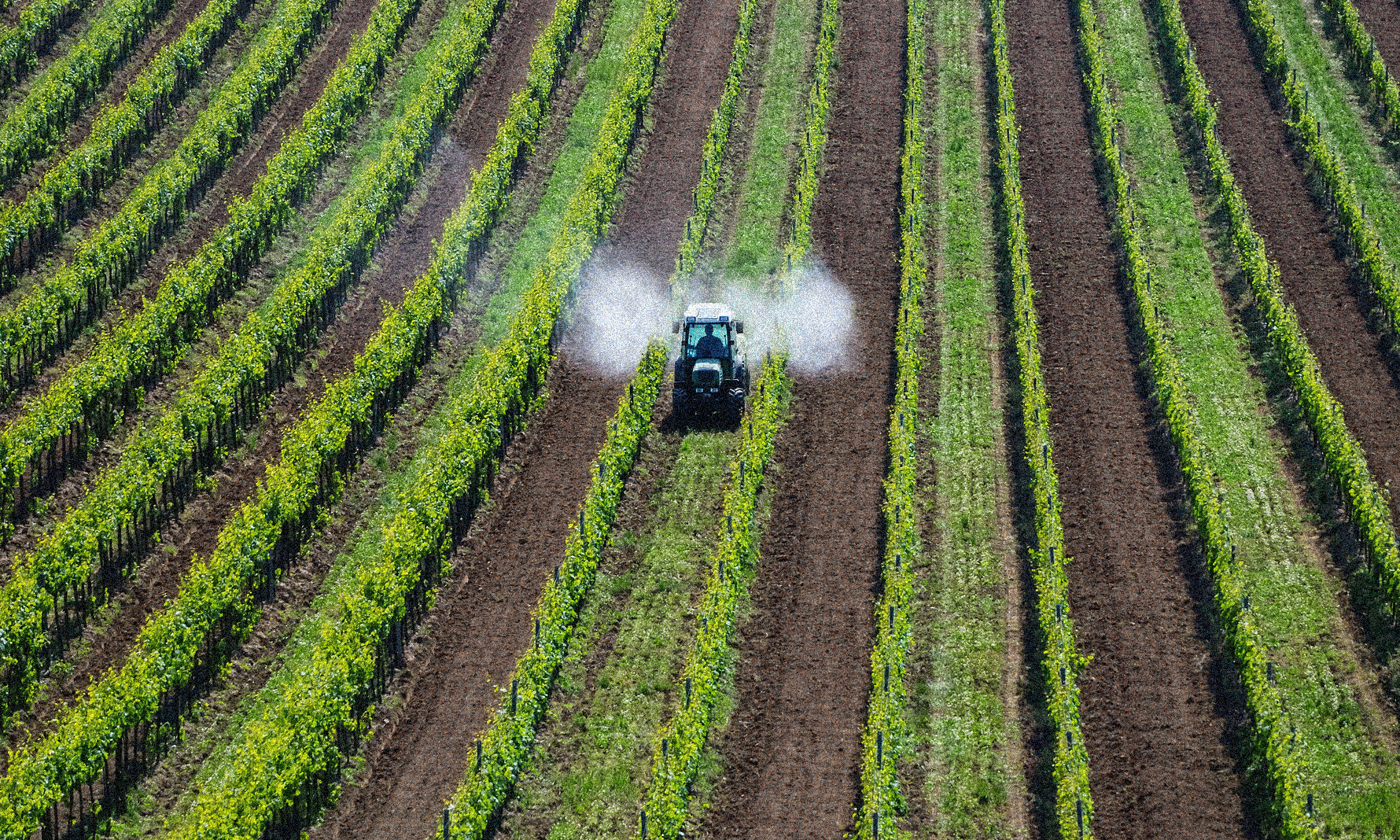
In Germany there have been many protests against agricultural pesticides, especially because several insecticide producers are based there, including the neonicotinoid thiacloprid, first banned by the EU in 2018 and later reintroduced. Through German testimonies and on-camera exchanges with Angeli, Within a bee's flight asks whether a shared European response is possible, and how much the push for sustainability still concerns everyone.
WHY THIS TOPIC MATTERS NOW
Environmental quality and ways of reading it are a concrete front line between agriculture, public health, and responsibility.
Beekeeping biomonitoring as a low-impact, repeatable, non-invasive method.
In Northern Italy, where intensive fruit farming sits alongside natural areas and the image of “untouched nature”, bee-based biomonitoring can challenge visual and cultural balances. Through pollen analysis, the film opens a concrete link between agriculture, public health, environmental responsibility, and scientific knowledge. Through testimonies in Germany and on-camera exchanges with Angeli, Within a bee's flight asks whether a shared European response is possible and how much the sustainability question concerns everyone.
The method is part of a European network that promotes widespread monitoring of pollinators and tests forms of citizen science as a practice of environmental participation. The film follows its development, limits, and potential.
SPACES, LANDSCAPES, SETTINGS
The territory as an archive. Altitudes, distances, access points, traces.
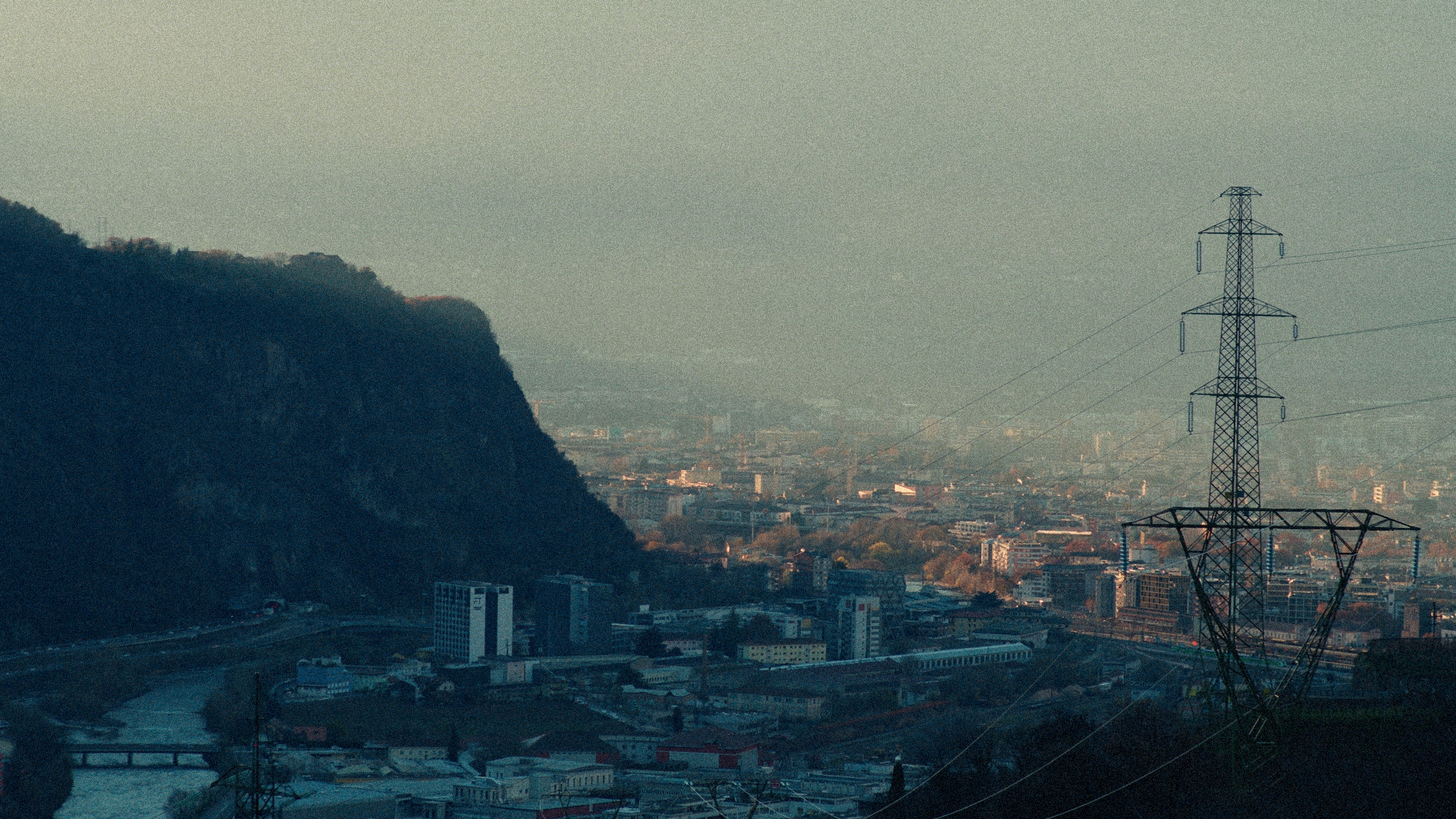
Set between Northern Italy and Berlin, the film moves through places that differ in function and morphology. Val di Sole is the operational centre of the biomonitoring. Trento is the urban setting for citizen science. Bolzano is the university base and the lab where cataloguing and technical coordination take place. Berlin is the setting for a European-level exchange.
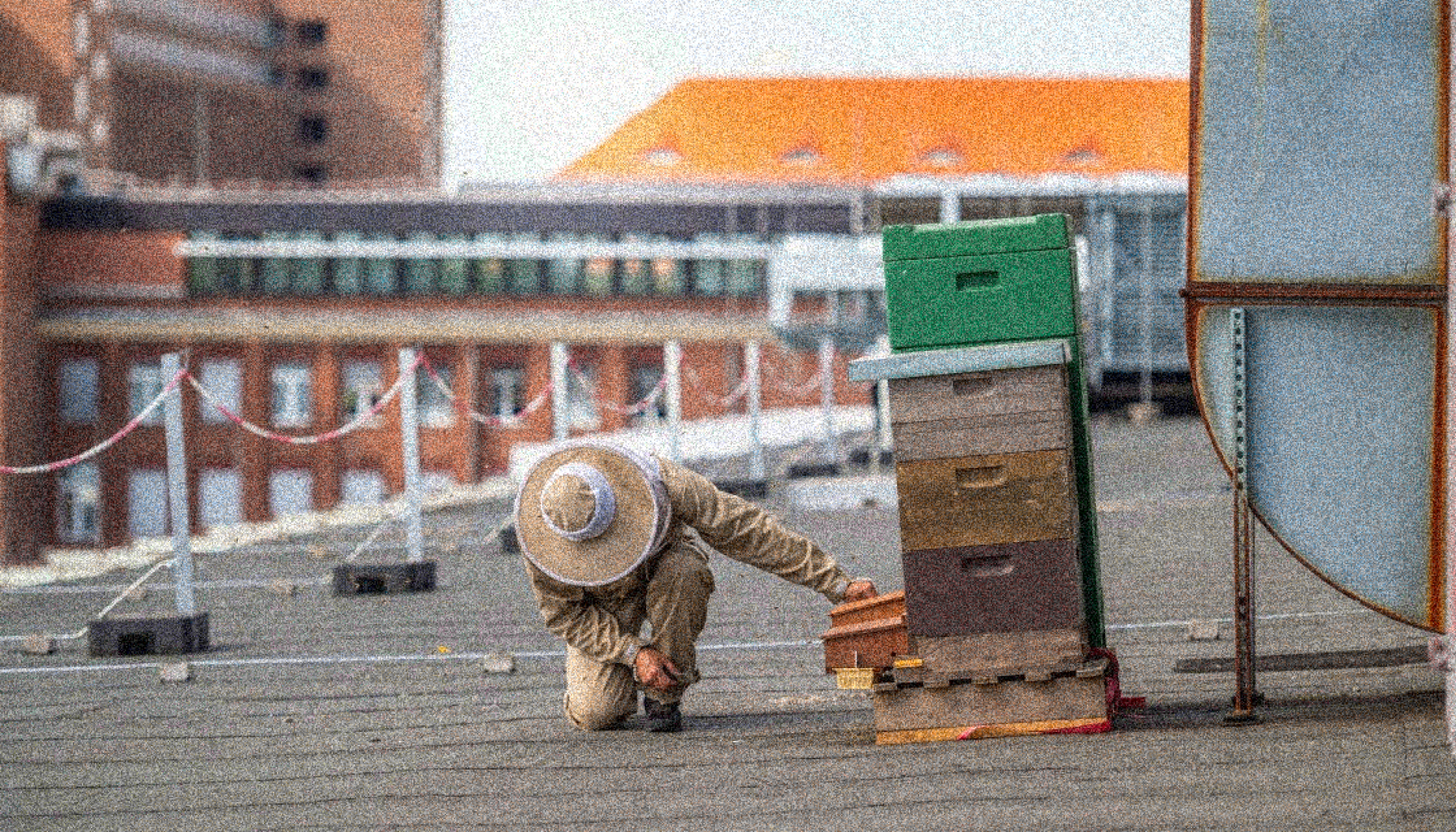
The shoots alternate areas of intensive cultivation, especially apple orchards, with less human-shaped mountain landscapes, and then shift to urban spaces where apiaries sit in gardens, on terraces, and in strongly built-up environments.
PRODUCTION NOTE
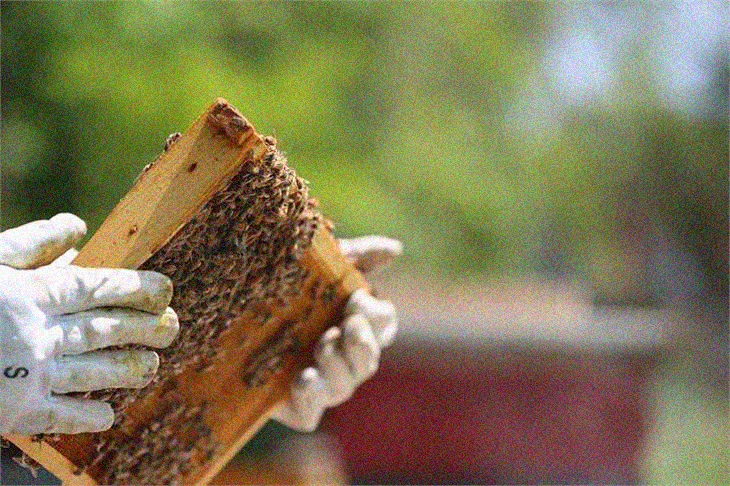
Within a bee's flight grows in close relation to the people and places involved. Researchers, beekeepers, citizens, and municipal staff. The film is built over time, following the cycles of nature and the cycles of sharing the collected data with the public. The story takes shape through observation of these processes. Pollen collection, lab analysis, and the reactions that emerge when environmental information challenges the way a place is seen.
This project allows us to work within an existing network that is active and grounded. At the same time, it opens onto a wider dimension. Cultural and scientific circulation at a European level. The themes of the film, environmental quality, agriculture, and citizen science, are strongly shared beyond Italy as well, especially in German-speaking contexts, where the project has already drawn interest.
PRODUCTION COMPANY
KORABI was founded in Bolzano as an independent production company. Formed by Annachiara Gislimberti, Gabriele Borghi, and Erald Dika, it brings together different skills and complementary perspectives, shaping a shared path. We believe stories can open up new ways of seeing and reach a wide audience through original, authentic filmmaking.
We approach every project with the same spirit, telling original stories that can reach a broad audience. For us, cinema is a tool that can shift perspectives, spark dialogue, and support cultural change. We believe stories can widen perspectives and move people. One of our main goals is to develop projects that combine entertainment and quality, with the belief that every story, if told with care, can leave a mark.


